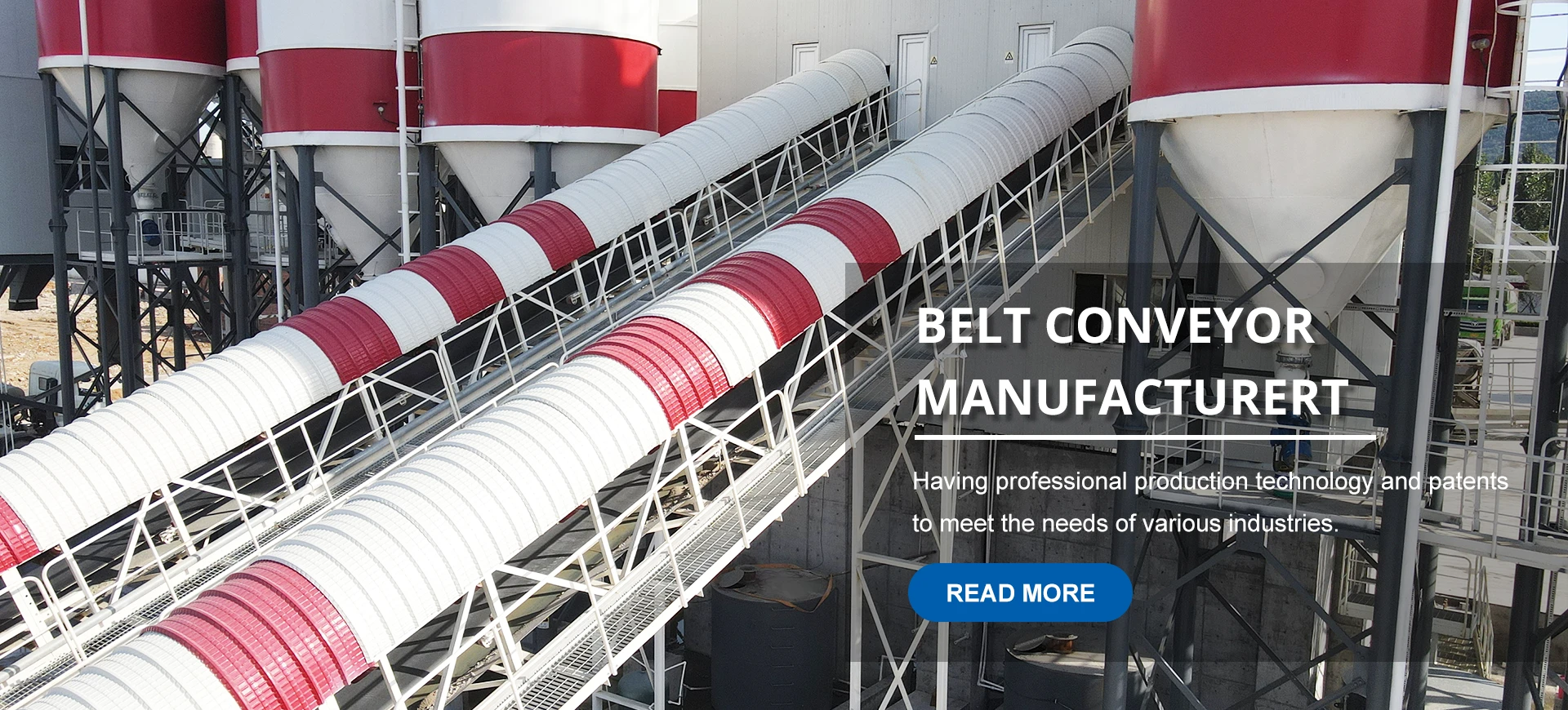
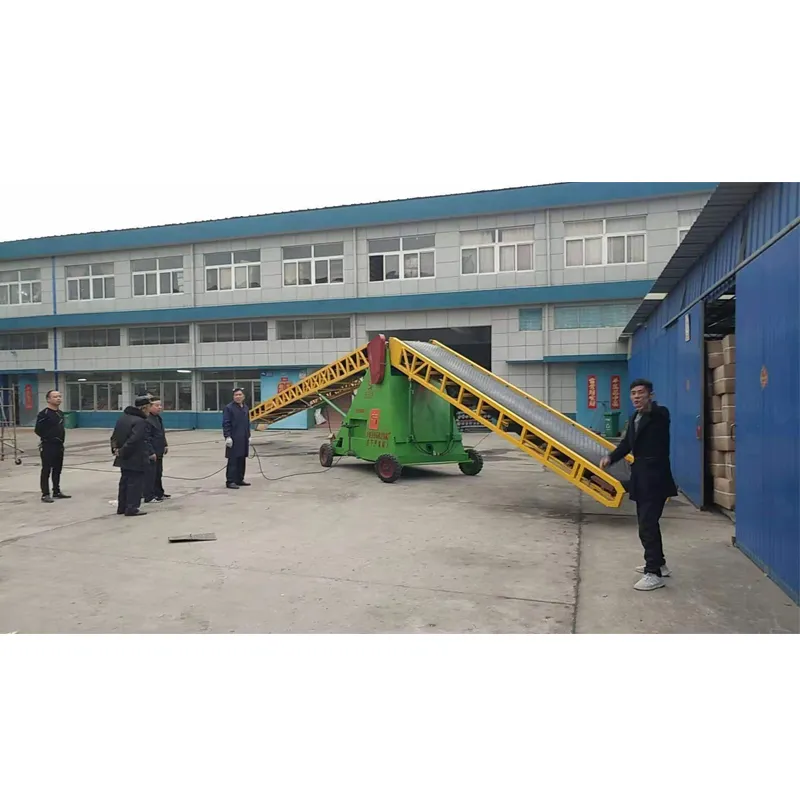
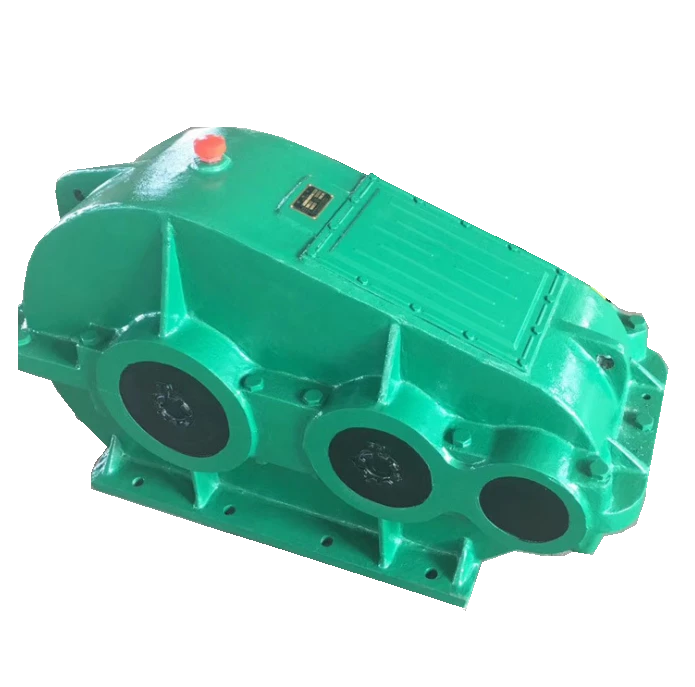
Belt Conveyor Drive Motor Reducer: field notes from the line If you’ve ever stood beside a humming production line at 2 a.m., you know the heartbeat is the conveyor belt drive . It’s the unsung hero—motor, reducer, shafts, and seals doing relentless work. To be honest, most days it just runs. When it doesn’t, everything stops, and that’s why the details matter. What’s changing in drives, and why it matters Across mining, ports, grain terminals, and parcel hubs, the story is the same: higher torque density, better efficiency (IE3/IE4 motors), quieter operations, predictive maintenance. Actually, the trend is toward sealed-for-life components and smarter sensors tucked into the reducer housing. Many customers say they want plug-and-play packages—no guesswork on torque, no fiddly alignment, just bolt up and run. Featured product: Belt Conveyor Drive Motor Reducer Origin: Room1109, Building C, Tianshan Galaxy Plaza, No. 358 Yuhua East Road, Shijiazhuang High tech Zone, Hebei Province. The driving device integrates a high-efficiency motor with a rugged reducer and the necessary couplings/guards. It seems basic, but the engineering is where the uptime is won. Specification Typical Value (≈, real-world use may vary) Power range 1.5–355 kW Torque output 50–32,000 Nm Gear ratios 5:1–200:1 (helical, bevel-helical, helical-worm) Motor efficiency IE3/IE4 options Protection IP55/IP66; paint C3–C5M Ambient −20 to +45 °C (low-temp kits available) Service factor SF ≥ 1.5 (per duty) Process flow and testing (the nuts and bolts) Materials: high-strength cast iron housings, 42CrMo shafts, carburized and ground gears (58–62 HRC), NBR/Viton seals. Methods: CNC machining, tooth profile grinding, shot peening, dynamic balancing (ISO 1940 G2.5). Testing: load testing at ≈1.3× rated torque for 2 h, vibration per ISO 10816, noise ≤ 75 dB(A) at 1 m, insulation test per IEC 60034, and type test to DIN 3990/ISO 6336 for gear strength. Service life: bearings L10 ≥ 20,000–40,000 h with proper lubrication; we’ve seen longer in clean parcel lines. Where it works well Mining/quarry belts, port ship-loaders, grain elevators (ATEX on request), recycling streams, and e‑commerce hubs. One port operator told me the unit’s sealed bevel stage cut weekly greasing to “almost nothing,” which is a small miracle during rainy season. In a Hebei cement plant, operators reported a 3 dB noise drop and steadier starts—soft-start plus a beefier conveyor belt drive does help. Customization options Backstop/anti-runback, motor-mounted brakes, and holdback clutches Food-grade paints and stainless hardware; cold-weather heaters ATEX/IECEx packages for dusty zones; IP66 for washdown Sensor kit: temperature, vibration, and oil condition—ties into CMMS Shaft-mounted or foot-mounted, quick-change couplings, motor slide bases Vendor landscape (quick take) Vendor Strengths Limits (≈) Best fit HG Conveyor (this unit) Solid torque/price ratio; fast customization; local support in Hebei Lead times can extend in peak season Bulk handling lines needing value + options SEW‑Eurodrive Global service, premium efficiency Higher capex 24/7 critical plants NORD Drivesystems Coatings for harsh environments Weight on large frames Ports, salt air Bonfiglioli Compact bevel-helical designs Options vary by region Skids with tight footprints Why operators pick it Consistent starting torque for long belts and inclines Lower losses vs. old worm sets; cooler oil temps Certified to ISO 9001; CE marking; optional ATEX for dust zones Documented test data and traceability (gear batch, heat treatment) Field snapshots Case A (quarry): upgraded to a 22 kW bevel-helical conveyor belt drive , ratio 31.5:1; downtime cut by ≈40% over 9 months—mostly fewer seal replacements. Case B (grain terminal): ATEX-ready conveyor belt drive , IP66, with temp/vibe sensors; caught a misalignment early, saving a weekend teardown. Honestly, that’s the win—problems you never see because the data nudged you first. Standards we build and size to Sizing and verification follow CEMA, DIN 22101, and ISO 5048 for belt tensions and power; belts per ISO 14890; gears per ISO 6336/DIN 3990. It’s not flashy, but it’s what keeps the math honest. References DIN 22101: Continuous conveyors – Belt conveyors for loose bulk materials ISO 5048: Continuous mechanical handling equipment – Belt conveyors – Calculation of operating power CEMA: Belt Conveyors for Bulk Materials, 7th Edition ISO 6336 / DIN 3990: Calculation of load capacity of spur and helical gears ISO 14890: Conveyor belts – Specification for rubber- or plastics-covered belts IEC 60034: Rotating electrical machines